
Public health nursing

Last updated: October 15th, 2026 at 4:24pm

Public health nurses support people and families by providing:

  • Health information and guidance during pregnancy, early childhood and the school years.
  • Screening and immunizations to help prevent illness and support healthy development.
  • Support and connections to health services and community resources.

Services are available in homes, schools, health units and other community settings across the Island Health region.

How public health nurses can help

Pregnancy and after your baby is born

Public health nurses can help you prepare for your baby, learn about caring for your newborn and get support after birth.

Services may include:

  • Prenatal classes where community classes are not available.
  • One-to-one or group support during pregnancy, based on your needs.
  • Pregnancy education and support through school programs and Pregnancy Outreach Programs.
  • Information and resources about pregnancy, birth and parenting.
  • Phone calls and home visits after your baby is born.
  • Breastfeeding information and support.
  • Screening and support for postpartum depression and difficulties adjusting after birth, including support groups and information sessions for partners.
  • Information about newborn care, infant safety, nutrition, dental health, hearing, vision and healthy lifestyle choices.
  • Education about preventing fetal alcohol spectrum disorder (FASD), shaken baby syndrome and low birth weight.

Babies, toddlers and preschoolers

Public health nurses help parents and caregivers support their child's health and development during the early years.

Services may include:

  • Parent groups: Baby Talk and Toddler Talk offer opportunities to ask questions, share experiences and learn about caring for your child.
  • Immunizations: Childhood immunizations and information about protecting your child from vaccine-preventable diseases.
  • Developmental screening: Screening and assessment of your child's development and social and emotional well-being.
  • Health information: Guidance for parents, caregivers, daycares and preschools on topics such as nutrition, parenting, injury prevention and preventing the spread of illness.

School-age children and youth

Public health nurses work with children, youth, families, schools and community partners to support health and well-being at school and at home.

Services may include:

  • Kindergarten immunizations at health units.
  • School-based immunization clinics for students in Grades 6 and 9.
  • Hearing and vision screening for children in kindergarten.
  • Hearing and vision screening for other children when referred.
  • Health education and resources on topics such as healthy eating, physical activity, sexual health, tobacco prevention and injury prevention.
  • Help connecting families with community health services and resources.
  • Working with schools and community partners to identify health needs and plan health promotion programs.

Immunizations and communicable diseases

Public health nurses help protect individuals, families and communities from vaccine-preventable and communicable diseases.

Services may include:

  • Childhood and adult immunization programs for selected diseases.
  • Information and guidance about vaccines.
  • Follow-up and information for parents, caregivers and school staff about certain communicable diseases and infestations, such as head lice.

Nursing support for children with complex health needs

Children who need specialized health care may be eligible for Nursing Support Services. These services help children receive the care they need in schools and selected child care settings.

Support may include:

  • Assessing a child's nursing needs.
  • Developing and putting a health care plan in place.
  • Training caregivers to provide specific care, with ongoing guidance and monitoring.
  • Coordinating care with families, health professionals, school staff and other service providers.
  • Advocating for children with special health care needs and their families.
  • Completing functional assessments for the At Home Program.

Eligibility criteria apply.

General Information on Public health nursing

Referral Required?
Not required
How to get a Referral

Most services do not require a referral form.

Contact us directly: You can refer yourself by contacting your local public health unit.

Get a referral: A doctor, school staff member, social worker, other health professional or family member can refer you.

At Home Program: An application form is required for an assessment through Nursing Support Services.

Contact Us

Contact your local public Health Unit to learn more and to access these services within your region.

News & Events

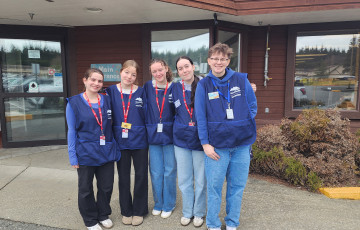
step up youth volunteers Sierra Watson, Ava Meisler-Malthouse, Liv Wilson, Cherish Pakkalen, and Eren Kozuszyn (left to right) are the first five volunteers to join Island Health’s Step Up Youth program at the Port McNeill Hospital (PMH).

Youth volunteer program inspires next generation of healthcare workers

One year after expanding into Alert Bay and Port McNeill, Island Health’s Step Up Youth program is already making an impact – connecting youth in rural communities with hands-on healthcare experience and helping shape the next generation of care providers.

Read more

group of youth

2026 Youth Harm Reduction Award: Applications open March 1

Calling all youth in the Island Health region with a passion for youth innovation and harm reduction. Have you, or another young person you know, worked on a project this school year that focuses on reducing harms related to substances?

Read more

Vancouver island lake

New report highlights health gains and inequities in the Island Health region

Island Health’s Chief Medical Health Officer has released the 2025 Population Health Status Report, offering an in-depth look at the health of people across the region with a focus on children and youth.

Read more