
Psychosocial Rehabilitation

Psychosocial rehabilitation helps people with serious mental health and substance use challenges to enhance their quality of life. This approach focuses on personal recovery and community integration. Our programs help participants develop new skills, access community resources and find satisfaction in their living, working and social environments.

Services offered

Our programs offer a range of services that may include:

  • Individual and group support
  • Wellness education and self-management skills
  • Occupational therapy
  • Life skills training
  • Access to community resources 
  • Support returning to meaningful activities including leisure and employment 

Psychosocial rehabilitation programs

Psychosocial rehabilitation is available through several programs across the Island Health region. To learn more and access these services, please visit Mental Health and Substance Use Services.

Additional Resources

News & Events

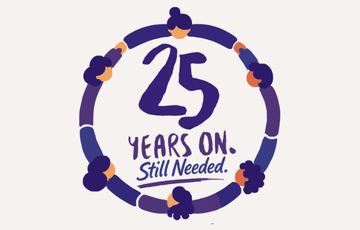
an official campaign poster that reads 25 years on still needed

Starting conversations that save lives: expanding Caring Conversations Cards for the community

As communities across the region prepare to mark the 25th anniversary of International Overdose Awareness Day on August 31, Island Health is launching a community version of its Caring Conversations Cards, a resource designed to help people talk openly about substance use, reduce stigma and build understanding.
Read more

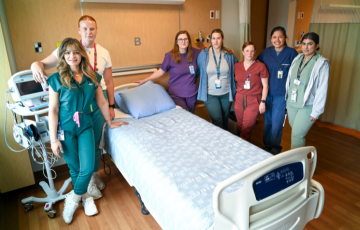
From left to right: Suman (LPN), Carolyn (RN), Ashley (CNL), Sam (recreation therapist), Brenda (LPN), Marina (RN), Sukhi (LPN)

New substance use service at Royal Jubilee Hospital helps patients in crisis

Adults experiencing significant substance use challenges now have access to a new, dedicated inpatient service at Royal Jubilee Hospital (RJH).

Read more

holding-hands

Island Health researcher and survivor partner develop CPTSD resource

A new online resource is now available to help health‑care providers and trauma survivors across British Columbia deepen their understanding of complex post‑traumatic stress disorder (CPTSD) and enhance trauma‑informed care.

Read more