
A new online resource is now available to help health‑care providers and trauma survivors across British Columbia deepen their understanding of complex post‑traumatic stress disorder (CPTSD) and enhance trauma‑informed care.
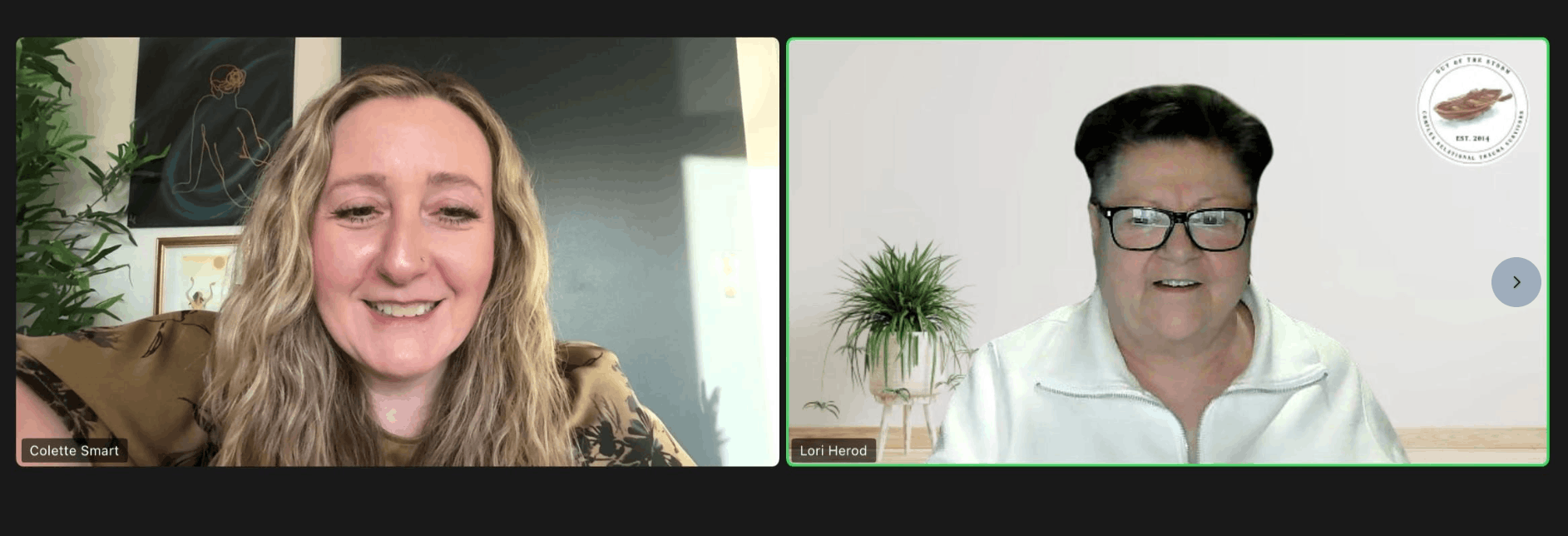
Complex Relational Trauma & Complex PTSD: Closing the Gap in Healthcare was developed by Dr. Colette Smart, research scholar in residence for mental health and substance use at Island Health and psychology professor at the University of Victoria, together with Dr. Lori Herod, a retired adult‑education professor and survivor of complex relational trauma.
Dr. Herod founded Out of the Storm, a global online community supporting nearly 14,000 trauma survivors. Through this work, she saw the opportunity to help health‑care providers strengthen their knowledge of CPTSD and better support patients.
Complex relational trauma often stems from ongoing abuse or neglect, frequently beginning in childhood. CPTSD can affect emotions, sense of self and relationships in unique ways.
“This resource gives providers clear, practical tools for creating safe, supportive experiences for patients who have lived through complex trauma,” said Dr. Smart.
The guide is designed for health‑care professionals but is also helpful for survivors seeking to better understand trauma‑informed care and how to advocate for the support that works best for them.
“Our goal was to create something truly useful,” said Dr. Herod. “We wanted a resource that supports providers in delivering compassionate, informed care — and that also reflects the voices and experiences of survivors.”
The online guide offers step‑by‑step information, from foundational learning to real‑world strategies. It includes videos, interactive quizzes, research summaries and a downloadable text‑based version.
Six trauma survivors contributed their lived experience anonymously to help shape the resource. One survivor shared a memory from adolescence, when a provider dismissed their experience after they had escaped an abusive relationship. “It took me 20 years to understand it wasn’t my fault,” they reflected — a reminder of how meaningful supportive, trauma‑informed care can be.
Clinicians, advocates and UVic psychology students Nika Marefat and Mitchell Gaudry also played important roles in the project.
“Working on this highlighted just how valuable trauma‑informed knowledge is for future providers like myself,” said Marefat. “Resources like this one can genuinely enhance patient care.”
The project received support from the University of Victoria, Island Health and the BC SUPPORT Unit, and has already been shared with health‑care organizations across Canada and the United States.
“Complex trauma is a significant public health concern,” said Dr. Smart. “This resource helps equip providers with the tools they need to offer thoughtful, effective care.”
“We hope this supports both providers and survivors by building understanding and strengthening care practices,” added Dr. Herod.
The resource is available at: https://www.outofthestorm.website/healthcare-project
More about Out of the Storm: https://www.outofthestorm.website/