


Immunization information for healthcare professionals

Immunization

This page provides information and resources for providers who deliver publicly funded vaccines in the community.

For COVID-19 and influenza vaccine information, see:

Follow BCCDC immunization manual guidelines

The BCCDC Immunization Manual is updated regularly. Providers are responsible for using the most current version. All updates are summarized in the Admin Circulars. 

To receive automated email updates when the manual is updated, enter your email address on this page.

Vaccine storage and handling

Vaccines are sensitive biological products. They must be stored and handled correctly to maintain their effectiveness.

Store vaccines at +2°C to +8°C at all times.

See:

Vaccine fridge temperatures

Record the minimum, maximum and current temperature of the vaccine fridge at the start and end of each business day.

Use the Refrigerator Temperature Log and Temperature Form Instructions.

If there is a cold chain incident

A cold chain incident occurs when the minimum, maximum or current fridge temperature is outside +2°C to +8°C.

  1. Quarantine the vaccines in a fridge maintained at +2°C to +8°C.
  2. Notify your local health unit Biological Products Monitor.
  3. Complete the Cold Chain Incident Form.
  4. Send the completed form to your local health unit. Email is preferred.
  5. Keep the vaccines quarantined and wait for further instructions.
Ordering publicly funded vaccines

Complete the Publicly Funded Vaccine Order Form and fax it to your local health unit.

Please note:

  • Allow at least 3 working days, Monday to Friday, for orders to be filled.
  • Vaccines are distributed based on available products and supply.
  • Orders are not automatically backfilled. Reorder as needed.
  • The health unit may contact you with questions about your order.
  • Maintain the cold chain when transporting vaccines. Bring a hard-sided cooler with ice packs and insulation material when picking up vaccine.
  • Pharmacists can see Pharmacist Access to Publicly Funded Vaccines for more information.

For COVID-19 and influenza vaccine orders, see:

Reporting immunizations

Immunizations given to children under 19 years of age must be reported to the local health unit when they are not entered into the Provincial Immunization Registry at the time of vaccination.

This includes Panorama, PharmaNet, ImmsBC and eForm.

Complete the Report of Immunization of Children 0-18 Years by Community Vaccine Providers Form and fax it to your local health unit weekly.

Reporting adverse events

The BCCDC Immunization Manual: Part 5: Adverse Events Following Immunization provides guidance on reportable events. All adverse events following immunization that meet the reporting criteria must be reported to the local Health Unit. 

When an adverse event following immunization is reported to you: 

  1. Review the reporting criteria (Page 7)
  2. If the reaction meets the reporting criteria, complete the AEFI Case Report Form
    See BCCDC Adverse Events Following Immunization (AEFI) webpage for additional information on how to report an AEFI. An instructional video is also available: How to Complete the 2-Page AEFI Form
  3. Send completed form to the local Health Unit.

More information

News & Events

green ribbon representing HPV awareness

“Dad, I have cancer”: A father’s plea to protect youth from HPV

March 4 is International HPV Awareness Day. The Victoria father is turning his grief into action, urging parents and caregivers to get their children vaccinated against HPV.

Read more

group of children lying in a circle

Whooping cough resurgence prompts vaccination reminder

With the resurgence of a vaccine-preventable disease in Canada, Island Health Public Health is encouraging everyone to ensure they’re up to date with their vaccinations.
Read more

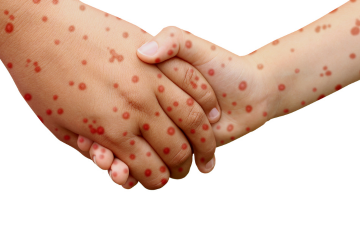
measles on hands

Improving measles immunization rates to prevent outbreaks

With measles circulating internationally, Island Health is encouraging everyone to ensure their routine immunizations are up to date to lift collective immunization rates this National Immunization Awareness Week (April 22 to 30).

Read more