
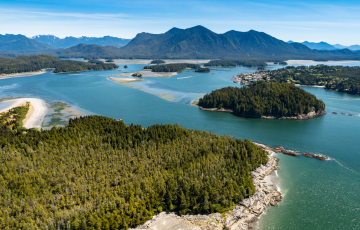
Learn about air quality factors and the impact of air quality and health.
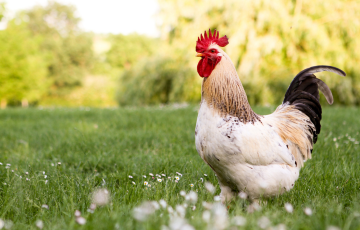
Learn how to protect yourself from avian influenza, stay safe around animals and report sick or dead birds.
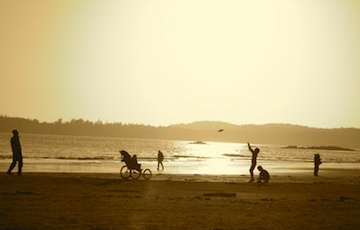
Beach water is tested at popular swimming spots across Vancouver Island from mid-May to September. The results help you decide when and where it's safe to swim.
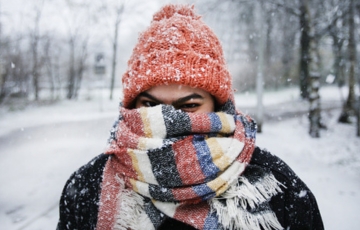
Cold weather, winter storms and power outages can affect your health and safety.
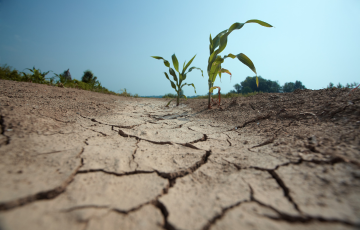
Take steps to prepare for periods of drought. Conserve water and protect your health.
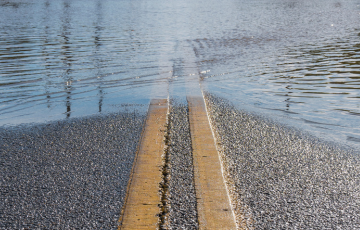
Floods create many health and safety risks, as well as road closures, power outages, and other disruptions that may create stress and affect your ability to access services.
Hot weather can affect your health. When temperatures rise, it’s important to know the signs of heat-related illness and how to stay safe.
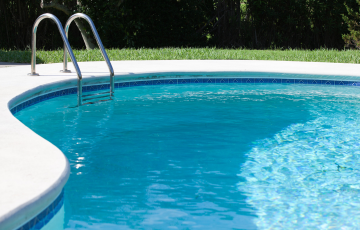
Environmental Health Officers (EHOs) inspect public and commercial pools, hot tubs, spray pools and wading pools to assess compliance with Pool Regulation.
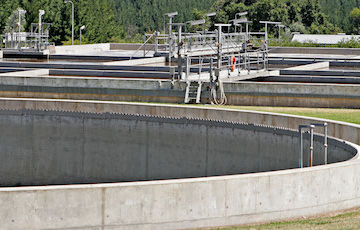
Any home or building that is not connected to a municipal or city sewage system needs a safe method of treating and discharging sewage.
Why make spaces smoke-free? Because there is no risk-free level of exposure to second-hand smoke.
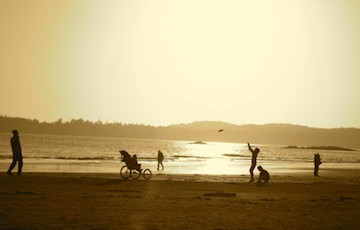
Prevent sunburn, heat illness, and long-term skin damage.
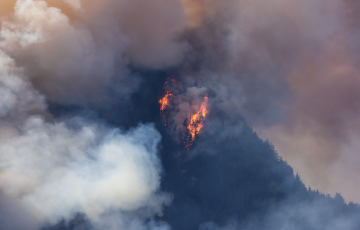
Learn how to reduce personal health risks during wildfire events.