
Ten years into the declaration of B.C.’s toxic drug crisis as a public health emergency, peer workers remain central to the ongoing response. For the last year, a group of peers has been working side-by-side through a new peer-led community of practice that shares knowledge, learns from one another, and supports each other through the relentless emergency.
The Peer Community of Practice brings together seven peers - people with past or present substance use experience who work independently or with various community organizations across the Island Health region, including in Alert Bay, Campbell River, Nanaimo, Cowichan and Victoria.
“Alert Bay is a small community,” said Jennifer Speck, a harm reduction worker for the ’Na̱mg̱is First Nation. “When a new toxic drug starts showing up in other places, it usually makes its way to us eventually so hearing what’s in other communities helps us prepare and talk to people early.”
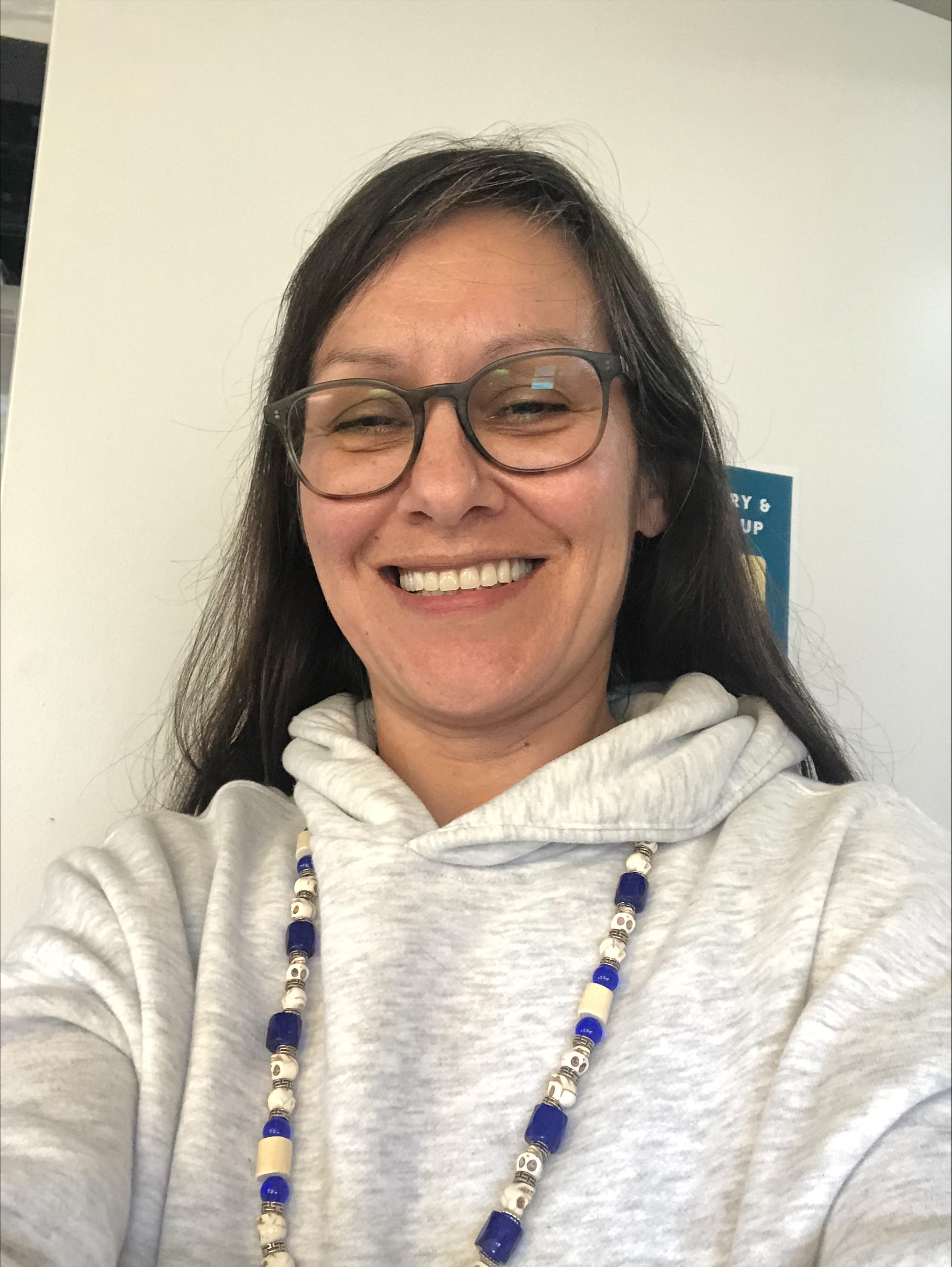
Held online twice a month by Island Health Harm Reduction Coordinator Sheena Campbell, and Peer Project Coordinator Beth Haywood, who also works as a peer, the group holds practical and honest conversations about what people are seeing, what’s changing, and what might be coming.
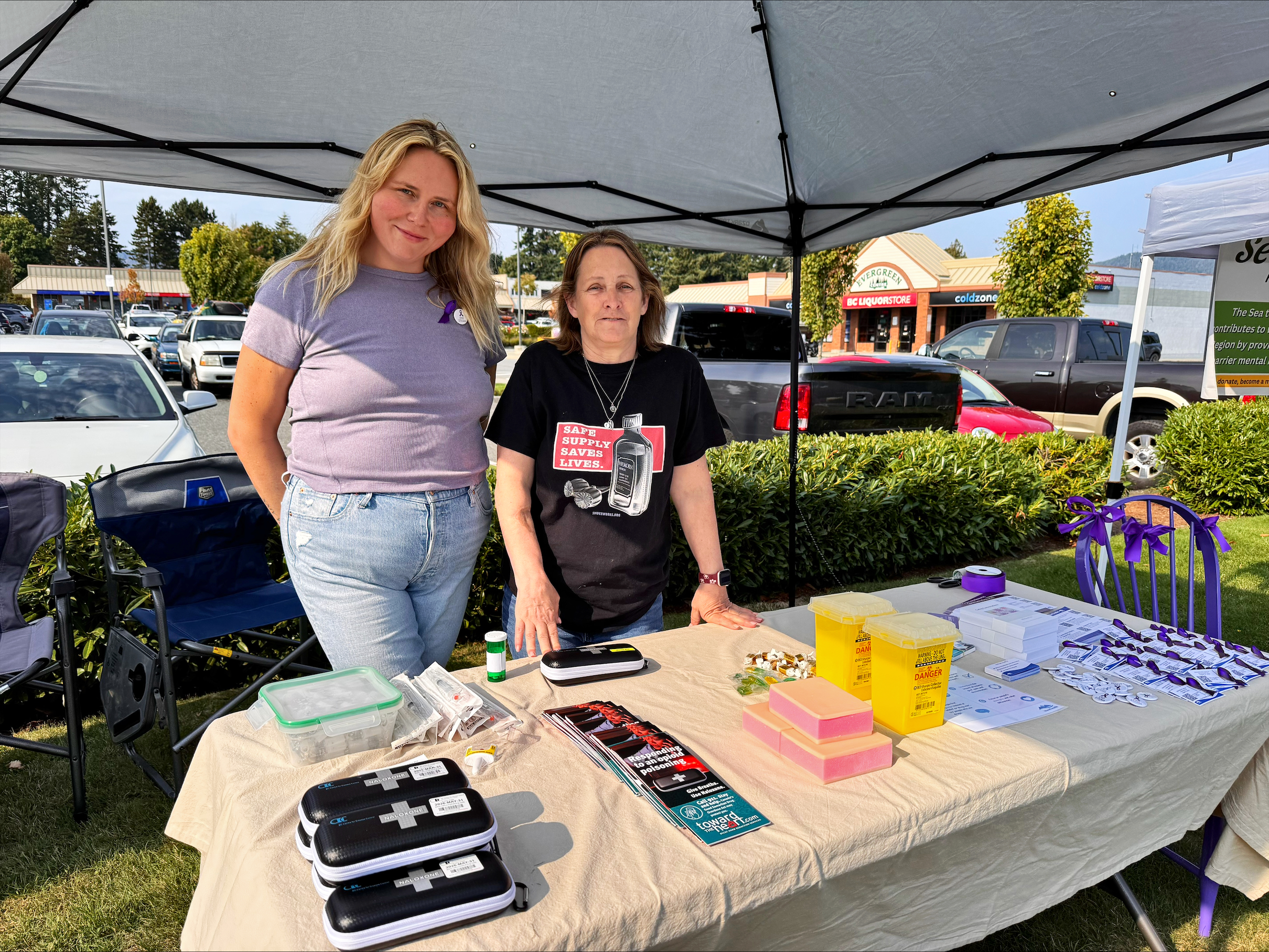
That shared awareness of emerging trends and challenges matters, especially for remote communities. The community of practice offers an early warning system; remote communities often experience the impacts of the toxic drug supply differently, and later, than major centres. It also provides peers with a voice, which is central to why the group was created.
“I created the Peer Community of Practice after years of hearing from peers who felt isolated and unheard,” says Island Health Peer Project Coordinator Beth Haywood.
“I realized that it couldn’t just be my voice. Many peers have been doing this work for years. Their knowledge and experience are valuable.”
In addition to knowledge sharing, the community of practice has facilitated the distribution of harm reduction supplies. Peers have used the group to flag resource gaps and connect directly with others who are able to help, to immediately address practical health care needs.
Research and experience show that meaningfully involving peers helps identify gaps and stigma, deepens understanding of client needs (BC Centre for Disease Control), and improves patient outcomes. Since the Peer Community of Practice began, several peers have been hired to consult on projects including a new future treatment centre.
For Haywood, sustaining the people doing the work is as critical as sustaining the work itself.
“We want to be able to save our friends and loved ones who are affected by this toxic drug supply. Peers are the ones keeping them alive every day,” she says. “This is about making sure peers are connected, supported, and heard, not just now, but in the years ahead.”
The toxic drug crisis was declared a public health emergency in B.C. April 14, 2016.
Learn about Island Health substance use services.
Call the new Access Central line at 1-888-885-8824 from 9 a.m. – 7:30 p.m., 7 days a week.
Talk to a virtual health care team about drug or alcohol use concerns.
Crisis support is available 24/7. Find support and a list of crisis lines.