
Families across the Island Health region are protecting their children and communities by keeping vaccinations up to date, with school-based clinics making it easier for parents and caregivers to access immunizations.
The results are a success worth celebrating during Canadian Public Health Week, which runs April 6 to 10 and recognizes the collective efforts of public health, parents, schools and kids to improve health and well-being in our communities.
Dr. Réka Gustafson, vice president of population and public health and chief medical health officer, said the success of school clinics reflects families’ strong commitment to protecting their children’s health.
“Parents and caregivers want to do what’s best for their kids,” she said. “By making immunization easier to access, public health teams support families to protect children from vaccine-preventable infections and cancers.”
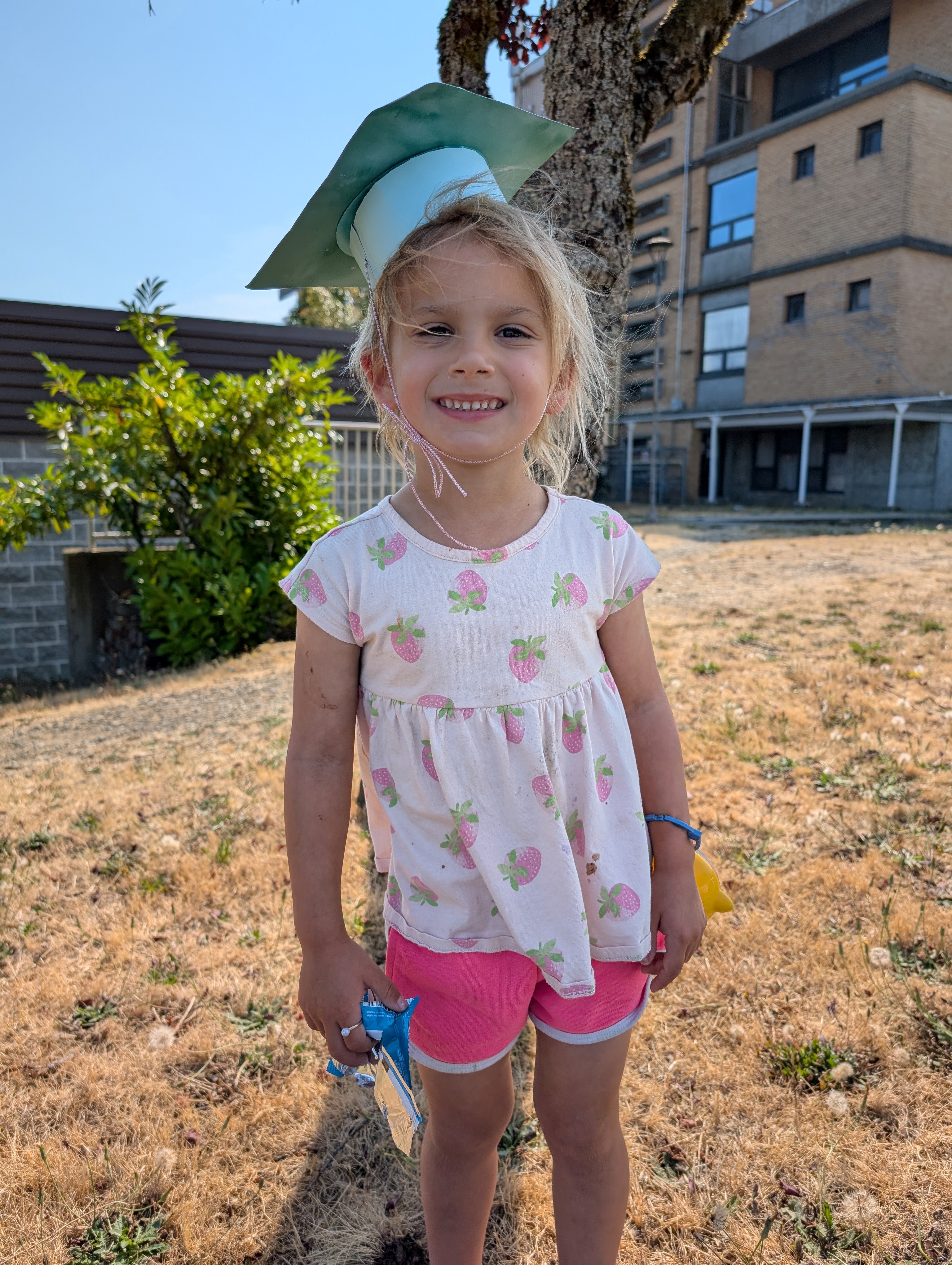
Parents have also appreciated these efforts. “We had an incredible experience with the vaccination clinic at school,” said Sarah Legg, whose five-year-old child recently took part in a clinic in School District 71. “It meant my daughter received excellent care in a setting familiar to her without a significant interruption in the routine of the day. I hope this continues for other parents and kiddos."
Historically, immunization coverage for seven-year-olds in the Island Health region has been below the provincial average, in part because many families had to rely on health unit appointments that could be difficult to attend. In 2019, measles catch-up clinics in schools and immunization record reviews when children entered kindergarten showed that school-based approaches can make a real difference.
In 2022, Island Health launched a pilot kindergarten school clinic program, when only 13 per cent of schools hosted clinics. As families responded positively, uptake increased the following year. By 2024, the program became a core public health service to improve access for families.
Now in its fourth year, 63 per cent of schools (125 of 207) across the Island Health region plan to host clinics, with 75 per cent of students up to date on publicly funded vaccinations – bringing Island Health above the provincial average.
Patricia Fothergill, clinical director for communicable disease and immunization, said the results reflect what happens when systems are designed around families’ needs. “This is public health in action,” she said. “It’s measurable, based on evidence, increases access to the protection of vaccines and reduces health inequalities.”
Kristen Ruddick, clinical manager of immunization, said bringing services to schools has made it easier for families to participate. “It became clear that meeting families where it works for them could close the gap we were experiencing,” she said.
Looking ahead, Island Health public health will continue working with families and schools to address remaining barriers and support communities with lower participation rates.
Fothergill highlights the importance of strong partnerships with schools, school districts, the First Nations Health Authority and First Nations community health providers to sustain progress.
“The key lesson here is not just that school-based clinics work, but that they work best when they are routine, expected and supported,” she said. “Thank you to the parents, the public health teams – and especially the kids – for helping us help our communities.”