
When the Gabriola Community Health Centre opened in 2012, there was 140 feet of water in its 350-foot well. By late 2022, that had dropped to 30 feet. On an island with no municipal water system, drinking water and health are deeply connected and protecting one means protecting both.
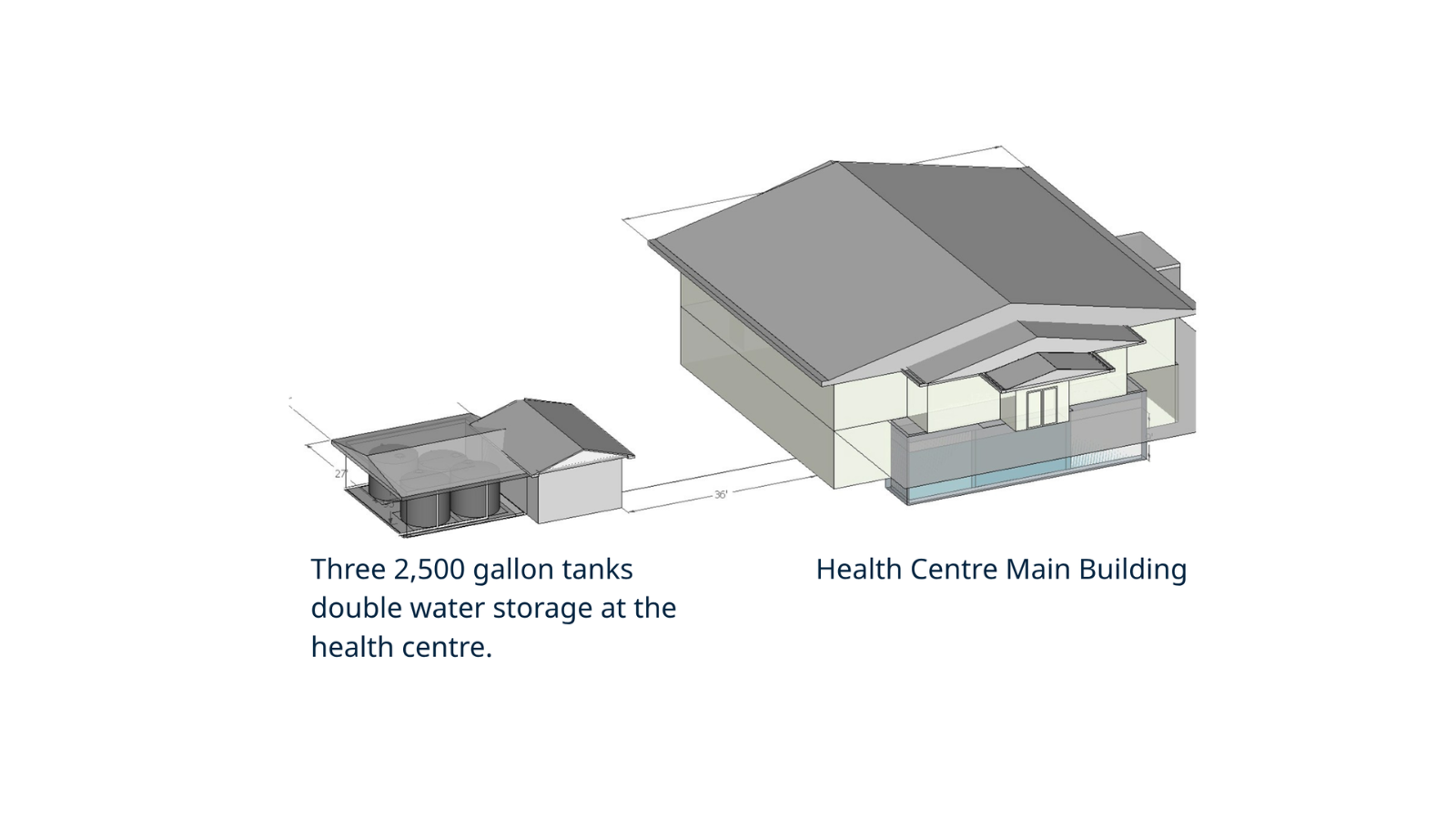
“There was considerable concern about the ongoing viability of this particular well,” says Marc Herrmann of the Gabriola Health Care Foundation (GHCF). With nearby wells going as deep as 400 feet with poor results, the team looked in a different direction — they looked up.
Rainwater as a potable source
Rainwater capture is common on Gabriola for residential use, but meeting drinking water standards for a healthcare facility required bringing together community expertise, engineering, and public health oversight. The GHCF engaged Rainwater Designers Ltd. to design a multi-stage treatment system that collects rainwater from a purpose-built roof, filters and disinfects it through several stages.
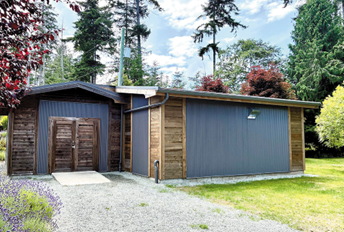
Working together on safe drinking water
Due to public health risks, rainwater systems permitted for potable use must meet higher treatment requirements than water from other sources. Island Health’s Environmental Public Health (EPH) program worked alongside the GHCF and Rainwater Designers Ltd. throughout the process. Public health engineer, Darrell Bélanger (P. Eng.), reviewed the construction permit and helped ensure the design met all regulatory and engineering standards. “I was impressed by the detailed submission, including demand forecasts based on rainfall projections,” he says. “The quality of construction and monitoring design were exemplary.”
EPH’s Drinking Water Program has focused on water security in the region since 2015 and recently developed Source and System Assessments with a climate change component. The Gabriola project is a practical example of what forward planning looks like when a community acts early.
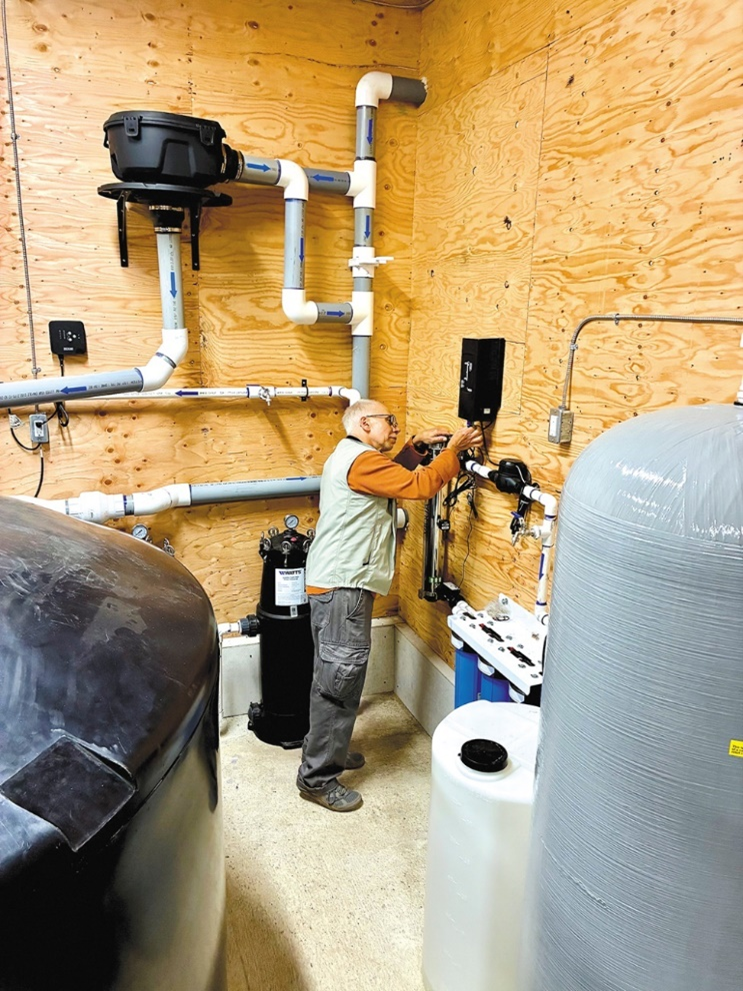
From construction to operating permit
Construction was completed in May 2025 and by February 2026, Island Health tested the full system and issued an operating permit. The $205,000 project was funded by the GHCF and the Gabriola Island Lions Club, a significant community investment in long-term infrastructure resilience.
“On Gabriola, community projects like this rely on the support of generous individuals and the skill and experience of island tradespeople,” Herrmann says. “It’s important to acknowledge and thank them.”
Looking ahead
Communities across the Gulf Islands and Vancouver Island are increasingly looking at how to secure their water supplies for the long term. Rainwater harvesting is one of a growing number of strategies available, and the Gabriola project shows what’s possible when communities plan ahead.
For property owners and community facilities considering their options, Island Health’s Environmental Public Health team can provide guidance on water system assessments, treatment standards, and permitting. Additional resources on managing water shortages and planning for drought can be found on the Drought webpage.